
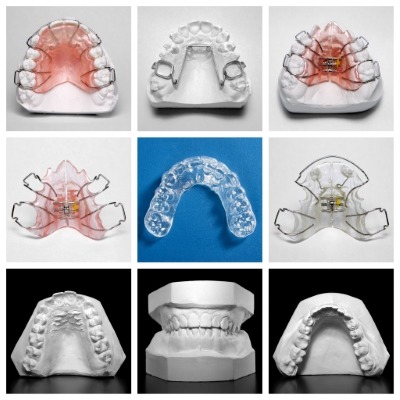
You should wear your retainer about 22 hours per day right after braces or Invisalign come off. That means all day and all night, removing it only to eat, drink anything besides water, and clean your teeth. After the first several months, Dr. Laurent typically transitions you to nighttime-only wear to protect your new smile long term.
Your exact wear schedule depends on your case, and Dr. Laurent sets it after looking closely at how your teeth respond. Some smiles settle quickly. Others need a longer full-time phase before it’s safe to cut back. The goal is simple: keep the results you worked so hard to earn, without letting your teeth slide back toward where they started.
Think of your retainer as the final step in your treatment rather than an afterthought. The right number of hours changes over time, and knowing what to expect makes the whole routine easier to stick with. Below, we break down each phase and what shapes your personal schedule.

How Retainer Wear Works Over Time
Retainer wear happens in three phases, and each one plays a specific role in holding your teeth in place. Your teeth shift the most during the first year after braces come off, so consistency early on matters more than anything else.
Here’s how the phases typically progress:
- Phase 1, Full-time wear (about 22 hours a day). This starts the day your braces come off or your final Invisalign tray is finished. You’ll wear the retainer around the clock, only removing it for meals and cleaning. This phase usually lasts 4 to 6 months.
- Phase 2, Transition to nights only. Once your bite and bone have stabilized, Dr. Laurent will give you the green light to switch to nighttime-only wear. Most patients reach this phase after several months of full-time use.
- Phase 3, Long-term nighttime wear. To keep your smile straight for life, plan on wearing your retainer at night indefinitely. Teeth naturally want to shift as you age, and a few hours of overnight wear is all it takes to hold them.
Your follow-up visits confirm when it’s safe to reduce your hours. We check tooth position, retainer fit, and how well the results are holding before making any changes to your schedule.
Why Wearing Your Retainer Is Important
Your retainer is what protects everything your braces or Invisalign accomplished. Teeth have a memory. Even after treatment ends, the bone and gums around each tooth need time to settle into their new positions. Without steady pressure from a retainer, teeth can drift back toward where they started.
Here’s what consistent wear does for you:
- Prevents relapse. Teeth want to shift back to their original positions, especially during the first year.
- Protects your investment. Months of braces or Invisalign trays add up. A retainer keeps that work locked in.
- Gives bone time to settle. New tooth positions generally need many months for the surrounding bone to firm up around them.
- Preserves your bite. Even small shifts can affect how your top and bottom teeth come together.
Skipping wear, even for a few weeks, can undo months of progress. That’s why Dr. Laurent talks with every patient about retainers before treatment ends, so you know exactly what to expect.
Full-Time vs Night-Only Retainer Wear
Both wear schedules matter, but they serve different purposes. Full-time wear locks in your new smile. Night-only wear maintains it for the long haul. Here’s a quick comparison:
| Feature | Full-Time Wear | Night-Only Wear |
|---|---|---|
| Hours per day | About 22 hours | 8–10 hours (overnight) |
| When it applies | First months after treatment ends | Long-term maintenance |
| Typical duration | 4–6 months (varies by case) | Indefinite |
| Removed for | Eating, drinking, brushing | Daytime activities |
| Main purpose | Stabilize new tooth positions | Prevent lifetime shifting |
Some patients need a longer full-time phase, especially if the original crowding or spacing was severe, or if teeth were rotated significantly during treatment. Teens whose jaws are still growing may also need a customized schedule that shifts as their bite matures.
Either way, your wear plan is personalized just for you, and you’ve got options at every stage. Dr. Laurent will walk you through exactly what your teeth need, from the first full-time months all the way through long-term nighttime maintenance, so nothing about the routine catches you off guard.
What Affects How Long You Wear a Retainer
Every smile is different, so retainer schedules aren’t one-size-fits-all. A few factors shape how long you’ll need full-time wear and how strict your long-term routine should be.
- Original severity. The more crowding, spacing, or rotation you started with, the more likely your teeth are to shift back. Bigger corrections often mean longer full-time wear.
- Type of retainer. Removable retainers depend on you wearing them. Bonded (fixed) retainers stay behind your teeth 24/7 and don’t require the same daily discipline.
- Age and growth. Teens whose jaws are still developing may need retainer adjustments as their bite continues to mature.
- Consistency during full-time wear. Missing hours here and there can extend how long you stay in the full-time phase.
- Natural tendency to shift. Some people’s teeth are simply more prone to movement than others.
Dr. Laurent factors all of this in when setting your schedule, and regular check-ins let us adjust the plan if your teeth need something different along the way.
Who Needs to Wear a Retainer and For How Long
Short answer: everyone who finishes braces or Invisalign needs a retainer, and most people should plan on wearing one at night indefinitely. The American Association of Orthodontists supports long-term retainer use to help keep teeth aligned after treatment.
Here’s what that looks like by patient type:
- Teens. Retainer wear continues through the years when the jaw is still finishing growth. Adjustments may be needed along the way.
- Adults. Nighttime wear is a lifetime commitment, since teeth naturally shift with age regardless of orthodontic history.
- Bonded retainer patients. A fixed wire behind your teeth can last years with good hygiene and regular check-ins.
- Anyone tempted to skip. Even years after treatment, going without a retainer puts you at risk of relapse.
Wearing a retainer is the simplest part of orthodontic care, and it’s the single best thing you can do to love your smile for life. A few minutes each night keeps years of hard work in place.

Frequently Asked Questions
How many hours a day should I wear my retainer at first?
About 22 hours a day for the first several months after braces or Invisalign. You’ll only remove it to eat, drink anything besides water, and brush your teeth. This full-time phase is when your teeth are most likely to shift, so consistency really matters.
When can I switch to wearing my retainer only at night?
Most patients transition to nights only after 4 to 6 months of full-time wear, but the exact timing depends on your case. Dr. Laurent checks how well your teeth are holding at your follow-up visits and gives you the go-ahead when it’s safe.
Do I have to wear a retainer forever?
Yes, in most cases. Teeth naturally shift as you age, so ongoing nighttime wear is the best way to keep your results for life. The good news is that a few hours overnight is easy to build into your routine.
What happens if I don’t wear my retainer enough?
Your teeth can start drifting back toward their original positions. Even small shifts can affect your bite and how straight your smile looks. In some cases, patients need a second round of treatment to correct the relapse, so it’s worth staying consistent.
Can I wear my retainer more than the recommended hours?
Yes, wearing it more is fine, especially in the early months. Extra wear won’t hurt your teeth. If your retainer feels tight after a day of skipping, that’s a sign your teeth have started to move and you should wear it more often.
How long can I go without wearing my retainer?
Not long, especially in the first year after treatment. Skipping even a few days can cause your retainer to feel tight when you put it back in. If you notice discomfort or your retainer no longer fits, reach out so we can take a look and get you back on track.
Retainers are a small daily habit that protects a big result, and understanding your own schedule makes it far easier to stay consistent. If you’re unsure how many hours your teeth need right now, or you simply want to check that your smile is holding steady, Dr. Laurent and the team are glad to talk it through. Your smile is in expert hands, and a quick visit is always welcome when you have questions about keeping your results for years to come.